

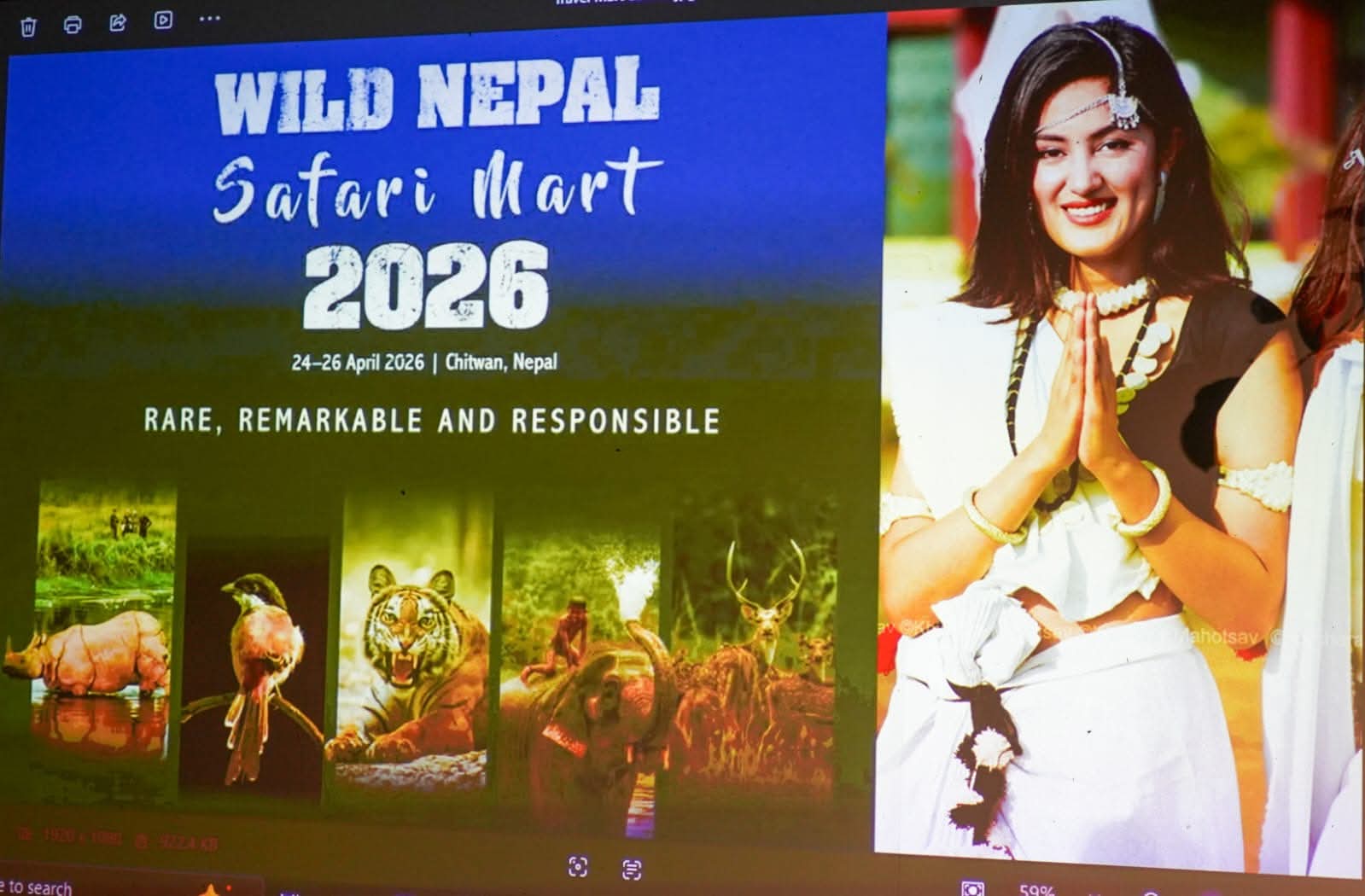
Chitwan: The Nepal Tourism Board has formally launched its first-ever Safari Tourism Mart in Meghauli, bringing together international buyers, conservation leaders, and tourism stakeholders with a strong push to position Nepal as a premier destination for sustainable wildlife tourism. The inaugural edition of the Wild Nepal Safari Mart 2026, organized by the Nepal Tourism Board in coordination with local governments and tourism entrepreneurs, has drawn over 30 international delegates from Bangladesh, India, Thailand, Turkey, and Germany. The event also includes key representatives from protected areas such as Chitwan National Park, Shuklaphanta National Park, and Koshi Tappu Wildlife Reserve.
Addressing the opening session on April 24, 2026, in Meghauli, Secretary at the Ministry of Culture, Tourism and Civil Aviation, Mukunda Prasad Niraula, described the event as an important platform to elevate Nepal’s wildlife tourism on the global stage. “Nepal is known not only for its Himalayas but also for its rich biodiversity, vibrant living cultures, and world-class wildlife tourism,” he said. “This Safari Mart provides a valuable platform for meaningful B2B networking and partnership building. I believe the interactions here will open new avenues for collaboration, investment, and the promotion of Nepal’s unique wildlife tourism products.” Highlighting Chitwan as a model of conservation success, Niraula emphasized the harmony between conservation, community, and tourism, noting that Nepal’s approach has demonstrated how local communities can become both beneficiaries and protectors of nature.
Chief Executive Officer of the Nepal Tourism Board, Deepak Raj Joshi, termed the event a milestone in Nepal’s tourism journey, framing it around the theme ‘Rare, Remarkable and Responsible’. “Today marks not just the promotion of destinations, but a celebration of a vision where tourism and conservation walk hand in hand,” Joshi said. “In less than 0.1 percent of the world’s landmass, Nepal hosts extraordinary biodiversity from Bengal tigers and one-horned rhinoceroses to snow leopards and red pandas.” He stressed that the future of tourism must go beyond arrivals and revenue. “Responsible tourism means protecting ecosystems, empowering communities, and ensuring that tourism remains climate-conscious, inclusive, and ethical,” he added. Joshi further noted that Nepal is committed to promoting high-value, nature-positive tourism experiences, and that the Mart is designed to serve as a long-term global platform positioning Nepal strongly in the international wildlife tourism market.
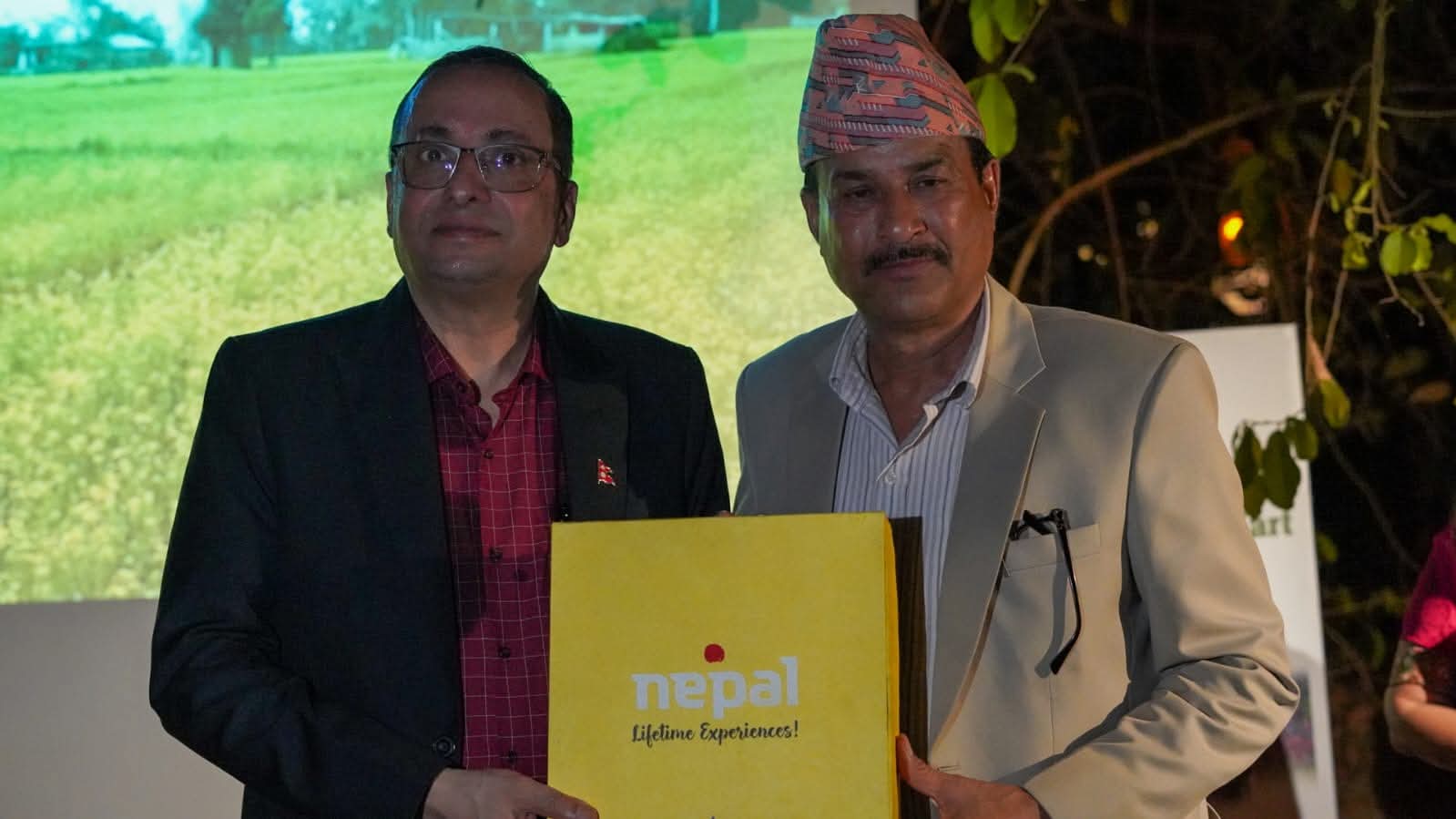
Similarly, Vice Chairperson of the Nepal Tourism Board, Ram Prasad Sapkota, echoed similar sentiments, describing the Mart as more than just a business event. “This is a platform that connects global buyers, conservation stakeholders, and local communities,” Sapkota said. “Through B2B meetings and destination visits, we expect our international delegates to become ambassadors of Nepal’s authentic tourism experiences worldwide.”
Acting Mayor of Bharatpur Metropolitan City, Chitrasen Adhikari, welcomed the delegates and highlighted the city’s readiness to host international tourism events. “Bharatpur and Meghauli are ready to emerge as global wildlife tourism hubs,” he said, emphasizing the role of local governments in strengthening sustainable tourism infrastructure and community engagement.
International conservationist and keynote speaker Mohit Agrawal underscored the growing global demand for responsible travel. He stated that the world is increasingly searching for destinations that balance tourism with conservation and foster a deeper connection between humans and nature. He said, “In this context, animal diplomacy is emerging as a powerful bridge where wildlife becomes a symbol of coexistence, shared responsibility, and global cooperation.” He further added, “Nepal stands out as one of the best destinations in the world for this kind of transformative experience. With its rich biodiversity, strong conservation ethos, and community-led stewardship, Nepal offers not just wildlife tourism, but a living example of how nature and humanity can thrive together in harmony.”
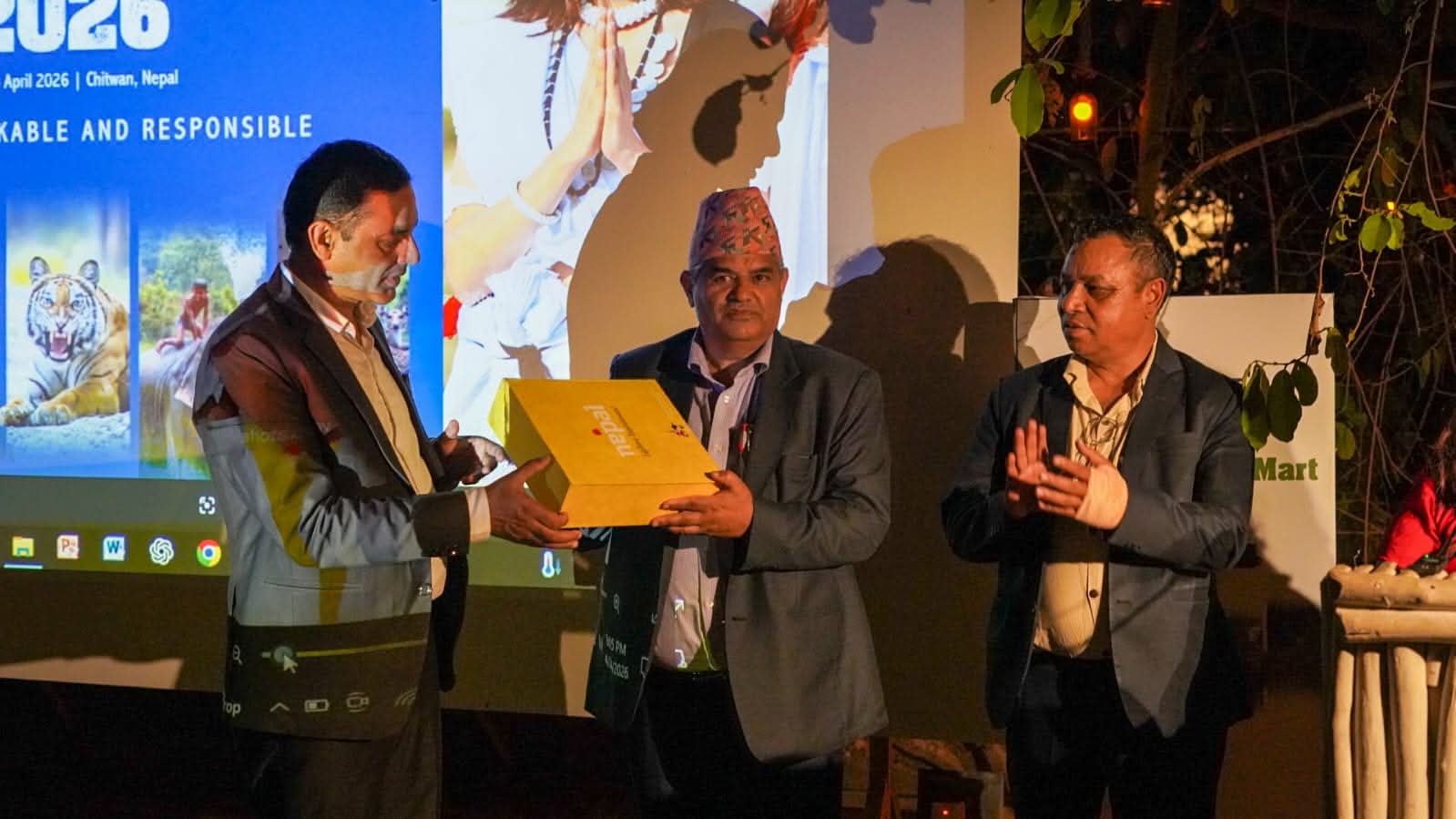
Emphasizing the impact of the initiative, Surya Thapaliya, Senior Manager at the Nepal Tourism Board, said, “This Safari Mart is not just an event but a strategic platform to connect global markets with Nepal’s unique wilderness experiences, helping us build long-term partnerships and position Nepal as a competitive, year-round wildlife tourism destination.” He further noted that the Mart plays a vital role in transforming emerging destinations into year-round tourism products through strategic storytelling, strong partnerships, and sustained market engagement.
The event also featured presentations by conservation experts, including Dr. Bishwo Raj Subedi.