

Kathmandu, Nepal – In the terraced fields of Nepal’s hills and the fertile plains of the Terai, women are quietly shaping the nation’s food systems. They sow seeds, nurture crops, process harvests, and ensure that families and communities have enough to eat. Yet despite their critical role, their contributions are often invisible, undervalued, and under-supported.
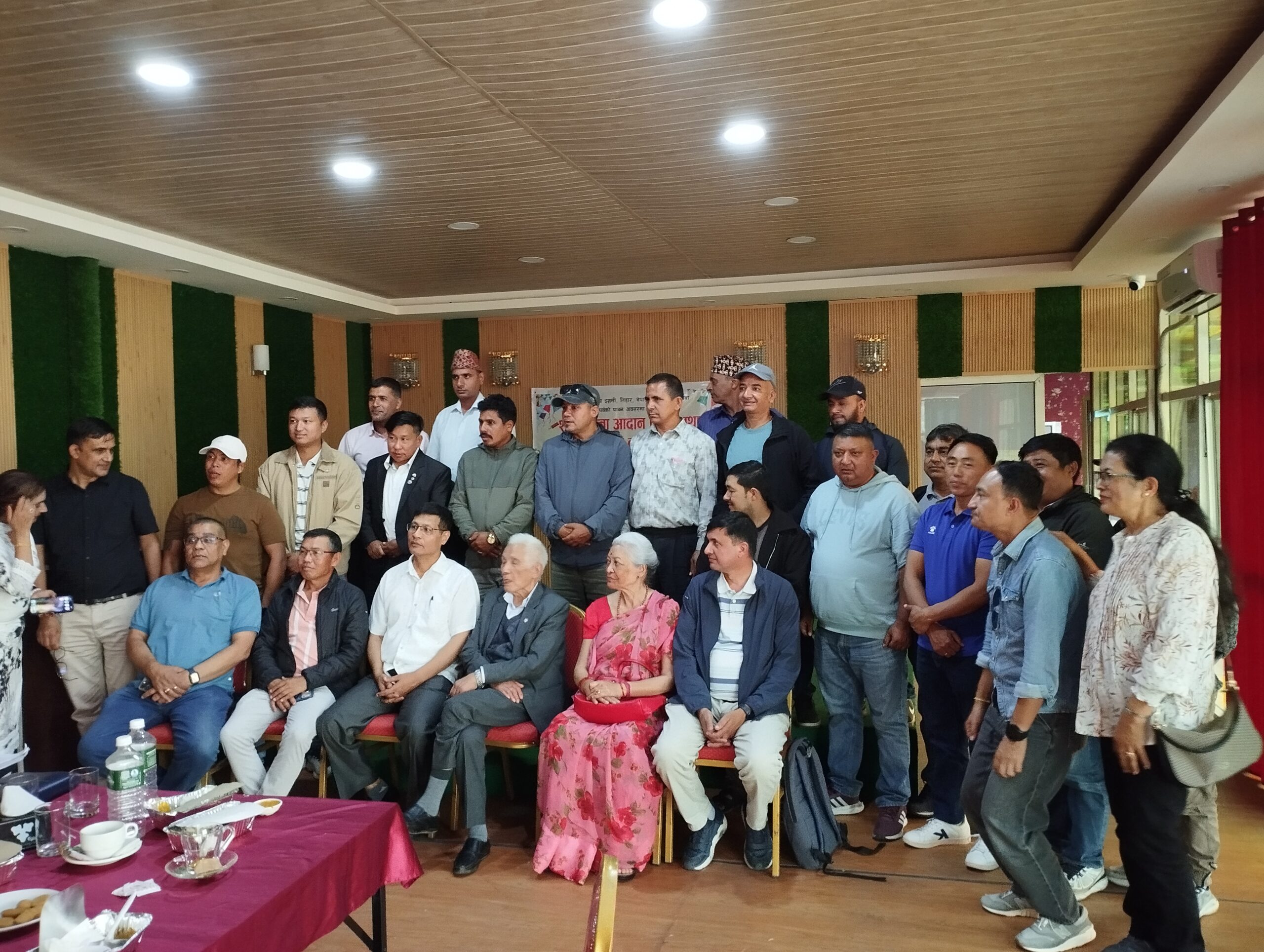
To shine a spotlight on these vital contributions, FAO Nepal convened nearly 150 participants from over 30 organizations for a landmark stakeholder dialogue on the Committee on World Food Security (CFS) Voluntary Guidelines on Gender Equality and Women’s and Girls’ Empowerment. The dialogue, informed by Nepal’s Country Gender Assessment, brought together policymakers, civil society organizations, Indigenous Peoples’ representatives, youth, and people of diverse gender identities to chart a path toward more inclusive and resilient agrifood systems.
Recognizing Women’s Leadership in Food Systems
“Women are at the heart of our agrifood systems,” said [Name, FAO Nepal Representative]. “From smallholder farms to community cooperatives, women ensure food security and nutrition for their families and communities. Yet too often, their labor goes unrecognized, and their leadership untapped. This dialogue is about changing that.”
Participants discussed practical measures for gender-transformative action, emphasizing the need for stronger coordination among government agencies, local cooperatives, and development partners. Key themes included access to land, finance, technology, and markets, as well as the importance of recognizing the diverse experiences of women, including those from Indigenous communities, women with disabilities, and young women entering agriculture.
Voices from the Field
For women like Kamala Thapa, a farmer from Kaski district, these conversations are more than policy—they are personal. “I have been farming my family’s land for over 20 years,” she said. “I know the crops, the soil, the seasons. But when decisions are made about farming programs, we are rarely asked. It’s time our voices are heard.”
Stories like Kamala’s were echoed throughout the dialogue, reminding participants that building gender equality in agriculture is not just about creating policies, but about transforming social norms, recognizing women’s knowledge, and ensuring equitable access to resources.
Looking Toward the International Year of the Woman Farmer 2026
Nepal is preparing to celebrate the International Year of the Woman Farmer in 2026, an occasion that will spotlight women’s leadership in food systems and create momentum for lasting change. FAO Nepal affirmed its commitment to working alongside women farmers, young people, Indigenous communities, persons with disabilities, and people of diverse gender identities to ensure that policies and programs are inclusive and impactful.
“Empowering women in agriculture is not just a matter of fairness—it is essential for building resilient, sustainable food systems,” said [Am]. “When women thrive, communities thrive.”
Innovations and Good Practices
The dialogue also highlighted successful initiatives from across Nepal, including community-led farming cooperatives, training programs for women entrepreneurs, and projects that integrate Indigenous knowledge into sustainable agriculture practices. Participants emphasized that scaling such initiatives, combined with stronger policy support, can unlock the full potential of women’s contributions to the sector.
As Nepal moves toward 2026, stakeholders are calling for bold, coordinated action: policies that recognize and support women farmers, investments in skills and technology, and inclusive platforms where women can lead and make decisions about the future of Nepal’s food systems.
Conclusion
Women farmers in Nepal have long been the backbone of the country’s agrifood systems. Today, with growing recognition, stronger partnerships, and a commitment to gender equality, Nepal has an opportunity to ensure that women are not just contributors but leaders in shaping the nation’s food future.
About FAO Nepal
The Food and Agriculture Organization of the United Nations (FAO) works to eradicate hunger, improve nutrition, and promote sustainable agriculture. In Nepal, FAO supports the development of resilient, inclusive, and gender-responsive agrifood systems.